
Opens in a new tab

Buy a Penn Station Franchise

Penn Station East Coast Subs is a fast-casual sub sandwich franchise founded in 1985 in Cincinnati, Ohio, and franchising since 1987. The menu is built around grilled-to-order hot and cold subs, served with fresh-cut fries, hand-squeezed lemonade, hearth-baked bread and fresh-baked chocolate-chunk cookies. Signature items such as the Philly Cheesesteak and the Italian anchor a focused lineup of around 18 subs alongside wraps, salads and bowls.

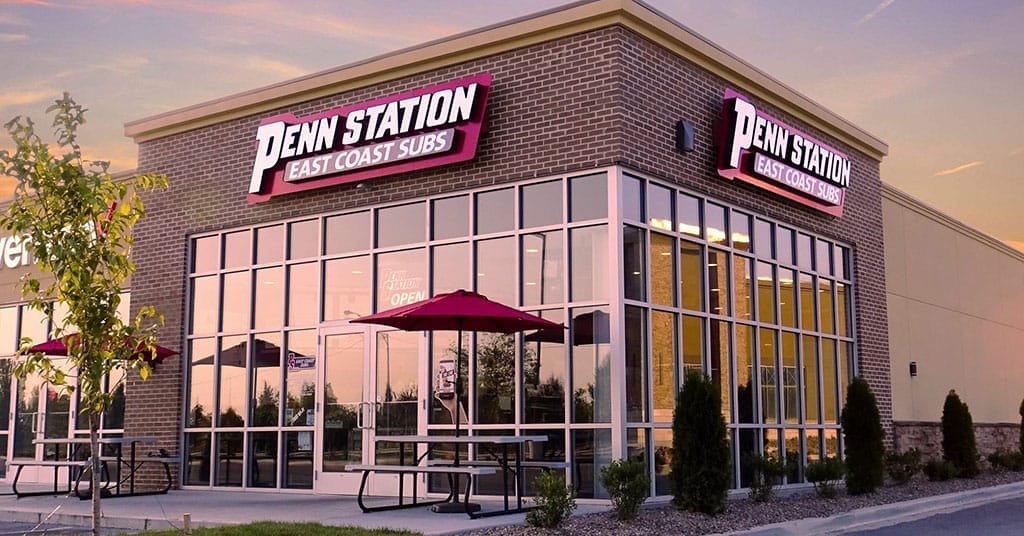
Restaurants use an open-kitchen layout so guests can watch their food being prepared, reinforcing the brand’s emphasis on fresh, made-to-order quality and ingredients such as USDA Choice steak and bread baked in-house. The network spans more than 300 locations across roughly a dozen Midwest and East Coast states, and the company remains family-owned under Penn Station, Inc.

Penn Station offers several ownership paths, including owner-operator, multi-unit, area developer and managing-owner models, supporting both hands-on operators and investor-level owners. The company runs corporate test stores to refine products and operations before rolling them out across the system.

Latest Resales

  • There are currently no Penn Station resales available

Why buy a Penn Station Franchise?

Buying a Penn Station franchise means stepping into a brand with a 40-year track record and a loyal customer base in the fast-casual sub category. Franchise Business Review has recognised Penn Station as one of the most profitable sub sandwich concepts in its surveys, and the brand reports consistently high franchisee satisfaction, useful signals for a buyer weighing one system against another.

The focused menu and open-kitchen format give the brand a clear identity, and its craveable signatures help balance lunch and dinner traffic while supporting higher average tickets than volume-led competitors. Flexible ownership models suit hands-on operators and multi-unit investors alike, and purchasing co-ops with an established supply chain give franchisees buying leverage that an independent sandwich shop would have to build alone.

Penn Station Franchise Costs & Information

Based on 2024 data reported in the 2025 FDD

  • Brand Profile

    • Year Founded

      1985

    • Franchising Since

      1987

    • New Startup Cost

      $473,793 – $768,440

    • Avg. Resale Price

      Contact us for details
  • Franchise Fees

    • Initial franchise Fee

      $25,000

      for new territories

    • Transfer Fee

      $2,500 – $10,000

      varies by number of restaurants; $1,000-$2,500 for ownership interest

    • Royalty Fee

      2%

      of Gross Revenue

    • Marketing Fee

      2%

      of Net Sales

  • Unit Performance

    • Total Units *

      318

    • New Units Opened *

      0

    • Units Transferred *

      25

    • Avg. Unit revenue *

      $816,785

    * Based on 2024 data reported in the 2025 FDD

Penn Station – Additional  Information

  1. Training & Support

    Penn Station's award-winning initial training runs four weeks at its Cincinnati headquarters and combines roughly 25-33 hours of classroom instruction with 202-209 hours of on-the-job training; the designated managing owner must complete it. Ongoing support covers field operations, a purchasing co-op for supplies, and marketing spanning national campaigns and local-store programs, plus a proprietary franchisee intranet and a centralized tech stack with online ordering. Buyers of an existing Penn Station unit should confirm what transfer training and intranet access the franchisor provides to incoming owners and their managing operator.

  2. Ideal Owner

    Penn Station suits hands-on operators who want to be personally involved in day-to-day restaurant management rather than absentee investors. The model rewards owners comfortable leading a team of around 15 staff per location, holding food-quality and service standards, and engaging the local community to build repeat traffic. Prior restaurant or food-service experience helps but is not essential given the structured training. The strongest owners work closely with their management team and the franchisor's support staff, and many pursue multi-unit growth over time.

  3. Recognition & Awards

    Penn Station is a consistent Franchise Business Review honoree, named to its 2026 Top 200 Franchises and Top Franchises for Women lists and recognised as one of the most profitable sub sandwich concepts in 2025. It has earned repeated FBR awards across 2019-2025 for franchisee satisfaction, culture, food, recession resistance and profitability, and appears regularly in Entrepreneur's Franchise 500. Late-2025 surveys showed roughly nine in ten owners enjoy operating the business. For resale buyers, brand recognition should be weighed alongside the specific territory's local reviews and reputation.

  4. Industry / Market

    The US sandwich and sub restaurant industry generates roughly $46 billion in annual revenue (IBISWorld), and the broader fast-casual segment keeps growing as consumers trade up toward fresher, made-to-order food. Demand is driven by convenience, customization and a preference for visible quality, trends that suit Penn Station's open-kitchen, grilled-to-order model. Sub shops also benefit from balanced lunch and dinner traffic and an everyday price point that holds up across economic cycles. For resale buyers, local competition and trade-area demographics shape how a specific unit performs.

Learn more about
how to own a Penn Station franchise resale

Please fill out the form below and a Franchise Flippers expert will be in touch with you shortly.

The Franchise Brand Index

This page is part of Franchise Flippers’ independent franchise Index, designed as an educational resource to help potential buyers explore the franchise resale market and compare brands.

Trademark & Affiliation Disclaimer

This website is an independent, informational resource. All trademarks, logos, and brand names displayed are the property of their respective owners and are used solely for identification and educational purposes. Their use does not imply any affiliation with, endorsement by, or sponsorship from the respective trademark holders.